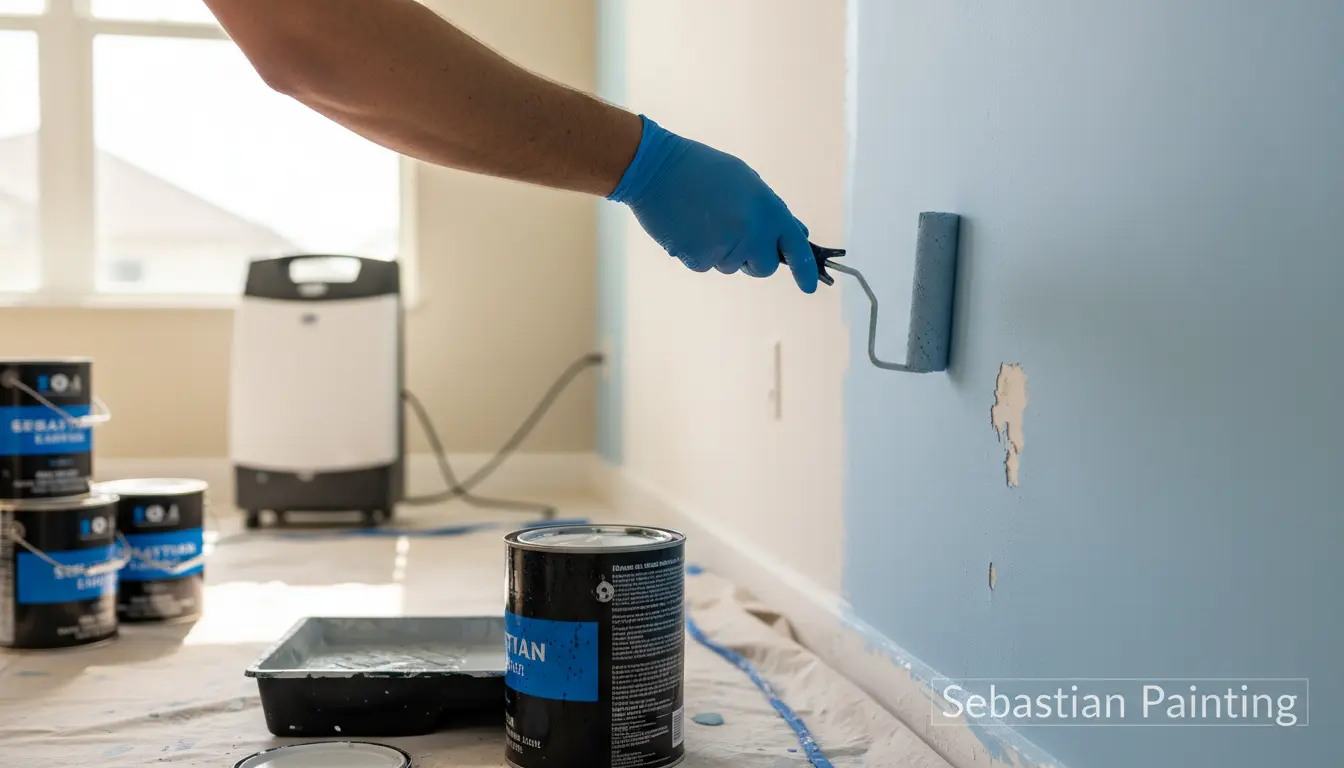
Living in Sebastian, Florida, means embracing the beauty of coastal living, but the relentless humidity can turn a simple painting project into a nightmare. With the Indian River Lagoon nearby and frequent afternoon showers, our local climate demands smart strategies to keep your home looking fresh. At Sebastian Painting, we’ve seen it all—from bubbling walls to peeling finishes—and we’re here to help you sidestep these issues. Whether you’re refreshing your home in Lakeside Village or tackling a commercial space in Riverside, avoiding these six common painting mistakes will save you time, money, and frustration. Let’s dive in and ensure your next paint job stands up to Florida’s tough conditions.
Mistake #1: Skipping Proper Surface Preparation
One of the biggest errors homeowners make is rushing into painting without adequate prep work. In humid Sebastian, where salt air and moisture are constant, surfaces like exterior siding or interior walls can harbor mold, dirt, and old paint flakes that sabotage adhesion.
Why It Happens in Humid Climates
Florida’s high humidity (often 70-90%) promotes mildew growth, especially on north-facing walls or shaded areas around your Sebastian property. Without cleaning and sanding, new paint won’t bond properly, leading to peeling within months.
Actionable Tips to Avoid It
- Clean Thoroughly: Use a pressure washer for exteriors and a mildew cleaner for interiors. For homes in Quail Run, where lush vegetation adds extra moisture, focus on removing algae buildup.
- Sand and Prime: Lightly sand glossy surfaces and apply a high-quality primer suited for humid environments. This creates a smooth base.
- Timing Matters: Prep on dry days—check the forecast for Sebastian’s typical rainy patterns.
By investing time here, you’ll extend your paint’s life by years. If DIY feels overwhelming, our color consultation service includes expert prep advice tailored to your needs.
Mistake #2: Using the Wrong Type of Paint
Not all paints are created equal, especially in Florida’s steamy weather. Opting for standard interior or exterior paints without humidity resistance is a recipe for disaster.
The Humidity Factor
In Sebastian, where summer temps hit 90°F with matching humidity, regular paints can blister or fade quickly. Mildew thrives in these conditions, turning your beautiful Barefoot Bay retreat into a patchy mess.
Practical Advice for Selection
- Choose Mildew-Resistant Formulas: Look for paints labeled for high-humidity areas, like those with antimicrobial additives.
- Exterior Specifics: For outdoor projects, select 100% acrylic latex paints that breathe and repel water.
- Interior Choices: In bathrooms or kitchens, go for semi-gloss or satin finishes that wipe clean and resist moisture.
Pro tip: Test a small area first. Sebastian Painting recommends brands like Behr or Sherwin-Williams for their proven performance in coastal Florida.
Mistake #3: Painting in High Humidity Without Ventilation
Timing your paint job poorly is a classic blunder. Florida’s humidity doesn’t just affect the surface—it slows drying times, trapping moisture and causing defects.
Understanding the Science
Ideal painting conditions are 50-70% humidity and 50-85°F. In Sebastian during the wet season (June-November), levels spike, leading to uneven drying and tacky finishes that attract dust.
Steps to Get It Right
-
Monitor Conditions: Use a hygrometer to check indoor and outdoor humidity. Avoid painting if it’s above 80%.
-
Enhance Airflow: For interiors, run dehumidifiers and fans. In humid spots like Sebastian basements, open windows during drier mornings.
-
Multiple Coats Wisely: Apply thin coats and allow full drying (up to 24 hours between in high humidity).
If you’re painting ceilings and trim, proper ventilation prevents drips and ensures crisp lines.
Mistake #4: Neglecting the Right Primer
Primer is the unsung hero of painting, but skipping or using the wrong one amplifies humidity woes.
Why Primer Fails in Florida
Without a moisture-blocking primer, humid air seeps through, causing efflorescence (white powdery deposits) on masonry or tannin bleed from wood in Sebastian’s tropical hardwoods.
Expert Recommendations
-
Match to Surface: Use oil-based primers for stained wood and latex for drywall.
-
Humidity Barriers: Opt for primers with rust inhibitors for metal features around your Sebastian home.
-
Application Technique: Apply two coats if needed, especially for high-moisture areas like poolside patios.
This step alone can prevent 50% of common failures. For textured surfaces, pair it with our textured wall painting services.
Mistake #5: Ignoring Local Environmental Factors
Sebastian’s unique microclimate—proximity to the ocean and inland waterways—introduces salt spray and UV exposure that generic painting advice overlooks.
Tailoring to Sebastian
Homes in areas like Riverside face stronger winds carrying salt, which corrodes unprotected surfaces. Meanwhile, shaded spots in Quail Run foster constant dampness.
Localized Tips
-
UV Protection: Choose paints with UV blockers to combat Florida’s intense sun, preventing chalking.
-
Salt Resistance: For exteriors, add a clear sealer over paint on fences or decks. Our deck and fence staining complements this for outdoor structures.
-
Insect Considerations: Seal gaps to keep out termites, common in humid Sebastian soils.
Adapting to these factors ensures longevity—think 10+ years versus quick touch-ups.
Mistake #6: Overlooking Professional Tools and Techniques
DIY enthusiasm is great, but using subpar brushes, rollers, or methods leads to streaks and poor coverage in humid conditions.
Common Tool Pitfalls
Cheap rollers shed fibers, and low-quality brushes leave bristles behind, exacerbated by slow drying in Florida’s air.
Pro-Level Advice
-
Quality Gear: Invest in synthetic brushes for water-based paints and microfiber rollers for smooth application.
-
Technique Tweaks: Use the "W" method for walls and cut in edges first. In humid weather, work in sections to avoid lap marks.
-
Safety First: Wear masks to avoid inhaling fumes, especially in enclosed Sebastian garages.
For commercial properties, our commercial building painting team uses industrial tools for flawless results.
FAQ: Common Questions About Painting in Humid Florida
How Long Does Paint Last in Sebastian’s Climate?
With proper prep and materials, exterior paint can last 7-10 years, interiors 5-8 years. Humidity shortens this if mistakes are made—regular inspections help.
Can I Paint During the Rainy Season?
It’s possible but challenging. Wait for dry spells and use quick-dry paints. For best results, schedule in winter when humidity drops.
What’s the Best Paint for Mildew-Prone Areas?
Mildew-resistant latex paints with 100% acrylic formula. In Sebastian bathrooms, add a mold inhibitor.
Do I Need a Permit for Exterior Painting in Sebastian?
Usually not for homes, but check with Indian River County for HOAs in areas like Barefoot Bay.
How Much Does Professional Painting Cost in Florida?
Averages $2-4 per square foot, depending on scope. Sebastian Painting offers free quotes to fit your budget.
Conclusion: Paint Smart, Live Better in Sebastian
Avoiding these six painting mistakes—poor prep, wrong paint, bad timing, skimpy priming, ignoring local factors, and shoddy tools—will transform your Sebastian home or business. The humid Florida climate is unforgiving, but with these tips, you can achieve a durable, beautiful finish that withstands the elements. At Sebastian Painting, we’re passionate about serving our community, from cozy residences in Lakeside Village to vibrant commercial spaces in Riverside. Ready to get started? Contact us today for a no-obligation consultation and let our experts handle the details. Your perfect paint job awaits!